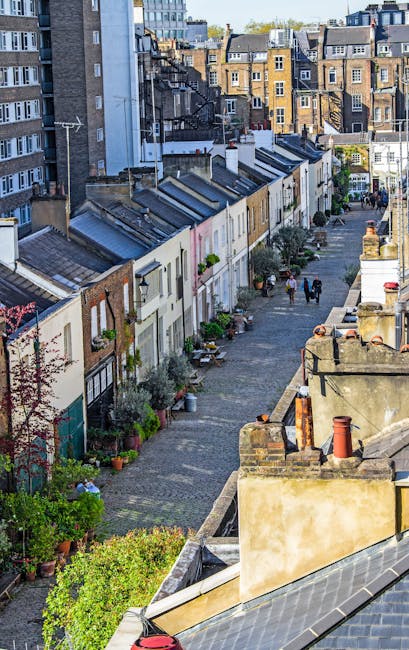
Best gardeners for terraces on Earlscourt Road SW5
If you live on Earlscourt Road SW5, you already know the charm of a terrace in this part of London. A small outdoor space can feel like a private escape after a long day, a place for herbs, flowers, or just somewhere to sit with a cup of tea when the weather behaves itself. The tricky bit? Terraces need a different kind of gardening care than a typical lawn or front garden. That is why choosing the best gardeners for terraces on Earlscourt Road SW5 matters so much. The right team understands pots, drainage, wind exposure, neighbour considerations, access issues, and the simple fact that terrace gardens have to look good without becoming a burden.
This guide breaks down what to look for, how terrace gardening works in a London setting, and how to judge whether a gardener is genuinely suitable for compact outdoor spaces. It also covers practical steps, common mistakes, and the kinds of services that make life easier, from seasonal planting to ongoing maintenance. If you are comparing options, you may also find it helpful to look at the wider garden services overview and the company's approach to pricing and quotes before you decide anything. Small space, big difference, as they say.
Why Best gardeners for terraces on Earlscourt Road SW5 Matters
Terrace gardening looks simple at first glance. A few planters, some soil, maybe a climber or two, and you are done. In reality, compact urban gardens are where the details matter most. Wind can dry pots out in a day. Shade from nearby buildings can limit plant choice. Drainage can become a mess if containers sit flat against a wall. And because terrace spaces are often visible from neighbouring homes, the garden also has to look tidy, balanced, and maintained.
That is why specialist terrace gardeners are valuable. They do more than just "tidy up." They help you create a scheme that suits the site, the light levels, and the amount of time you realistically want to spend on it. Truth be told, a terrace that is designed for low fuss can change how you use your home. You step outside more often. You notice the rosemary scent near the door. You actually enjoy being on the terrace instead of worrying about it.
On Earlscourt Road SW5, where outdoor space tends to be precious rather than plentiful, the best gardeners tend to be the ones who think in layers: pots, irrigation, planting height, seasonal colour, and access for maintenance. They know that a terrace is not a mini version of a suburban garden. It is its own thing.
How Best gardeners for terraces on Earlscourt Road SW5 Works
Good terrace gardening starts with observation. A skilled gardener will look at light, shelter, drainage, exposure, existing containers, and how you use the space day to day. Do you want a quiet seating area, a pollinator-friendly display, kitchen herbs by the kitchen door, or a more polished evergreen look that works year-round? The answer changes the plan.
From there, the work usually follows a fairly practical pattern:
- Site review - checking sun, shade, wind, access, and where water naturally collects.
- Plant and container selection - choosing species and pots that suit the conditions, not just the look.
- Soil and drainage setup - making sure containers do not become waterlogged or bone dry too fast.
- Installation or refresh - positioning plants so the terrace feels coherent, not crowded.
- Maintenance planning - setting a routine for pruning, feeding, watering, and seasonal changeovers.
For many homes, the real skill is in keeping everything manageable. A gardener might recommend a mix of evergreen structure and seasonal planting so the terrace never looks bare. They may also suggest a simple watering system for hot spells. That sort of practical thinking matters, because nobody wants a beautiful terrace that becomes a daily chore by mid-July.
It is also worth asking how the gardener communicates. Clear notes, realistic advice, and straightforward quotes are usually a good sign. If you are comparing local providers, the company's insurance and safety information can be useful to review early on, especially if work involves roof terraces, balconies, or awkward access.
Key Benefits and Practical Advantages
The best terrace gardeners bring more than neat planting. They solve everyday problems that crop up in small urban spaces.
- Better plant survival - Terraces can be harsh environments. A gardener who understands microclimates can choose plants that actually last.
- Less maintenance stress - Thoughtful planting and layout reduce the amount of constant pot moving, deadheading, and emergency watering.
- Improved appearance - A well-planned terrace looks calmer and more intentional, even if the space is tiny.
- More usable outdoor living space - A terrace can become a place to relax, work, dine, or grow herbs if it is organised properly.
- Smarter seasonal change - Good gardeners know when to refresh displays so the space always feels alive rather than tired.
- Better long-term value - A maintained terrace supports the overall impression of your home. Not flashy, just quietly effective.
One thing people often underestimate is how much a terrace changes with the seasons. Morning sun in spring can be lovely, then by August the same spot may be much hotter than you expected. In autumn, wind exposure can strip plants fast. The right gardener plans for those shifts instead of simply reacting to them.
Expert summary: if your terrace is meant to be lived in, not just looked at, the best gardener is the one who balances design, durability, and ease of care. Pretty matters, yes. But practicality keeps it pretty.
Who This Is For and When It Makes Sense
This kind of service makes sense for a range of households and property types on Earlscourt Road SW5.
It is a strong fit if you:
- have a terrace, roof terrace, balcony, or small courtyard with containers rather than open borders;
- want your space to look good all year, not just in peak summer;
- struggle to keep plants alive because of wind, shade, or inconsistent watering;
- need a low-maintenance setup that still feels stylish;
- are planning to sell or rent and want the outdoor space to make a better first impression;
- do not have time to redesign or maintain the space yourself.
It also makes sense if you have tried DIY planting and hit the wall a bit. Happens all the time. Maybe the lavender fried in full sun, the ferns sulked in shade, and that expensive ornamental grass never quite stood up properly after a windy spell. A good gardener can diagnose the problem without making you feel daft about it.
On the other hand, if you enjoy gardening and only need occasional guidance, you might benefit more from seasonal visits or advice-led support rather than a full-service package. In those cases, asking about a lighter-touch plan through the available garden services can help you choose the right level of input.
Step-by-Step Guidance
If you want the best result from a terrace gardener, it helps to approach the project in stages. That way you avoid overbuying, overplanting, or ending up with a space that looks nice in photos but awkward in real life.
1. Define how you want to use the terrace
Start with function. Do you want morning coffee, dinner outside, herb growing, privacy, or a calming green backdrop? A terrace designed for sitting and entertaining will need a different layout from one built mainly for planting.
2. Look at the conditions honestly
Check how much sun reaches the area, where water drains, and which corners are exposed to wind. If a gardener skips this part, that is a warning sign. A shady terrace near tall buildings can still be beautiful, but it needs shade-tolerant species and careful pot placement.
3. Choose plants for the site, not for impulse
It is tempting to buy whatever looks lovely at the garden centre. We all do it. But terrace gardening rewards restraint. Plants need to match the available light, pot size, and level of care you can commit to.
4. Build structure first
Think of containers, trellis, evergreen backbones, and taller plants as the architecture of the terrace. Once the structure is right, softer seasonal planting can do the decorative work.
5. Put a maintenance rhythm in place
Even the best planted terrace needs regular attention. Watering, feeding, cutting back, deadheading, and replacing tired plants should all have a rhythm. If you ignore that rhythm for too long, the terrace starts to look thin. Fast.
6. Ask for a plan you can actually keep up with
This is where good gardeners really earn their keep. They should be able to say, in plain English, what needs doing weekly, monthly, and seasonally. If the plan sounds vague, or impossible, ask them to simplify it. There is no prize for making terrace care harder than it needs to be.
Expert Tips for Better Results
The best terrace gardeners usually focus on a few things that make the biggest difference.
- Group plants by watering need - It is much easier to look after pots if the thirsty ones are together and the drought-tolerant ones are together.
- Use containers with proper drainage - Decorative pots without drainage can be a headache, not a feature.
- Choose a strong evergreen base - This stops the terrace feeling empty in winter.
- Leave enough walking space - A terrace should feel inviting, not like a plant obstacle course.
- Think vertically - Trellises, climbers, wall-mounted planting, and layered heights make a small space feel richer.
- Refresh tired soil regularly - Container soil depletes more quickly than border soil, so feeding and top-ups matter.
A small but useful habit: photograph the terrace at different times of day before making decisions. Morning light, afternoon glare, evening shade - they all change the feel. What looks lush at noon can feel completely different by 6pm.
Another good rule is not to overfill the space. A few well-chosen containers often look better than a crowded terrace with no breathing room. Less, in this case, can really be more. Funny how that works.
Common Mistakes to Avoid
Most terrace problems are avoidable once you know what to watch for.
- Choosing plants for the shop display, not the site - A plant can look perfect in a nursery and still hate your terrace.
- Ignoring wind exposure - On higher floors, wind can break stems, dry pots, and stress plants quickly.
- Using containers that are too small - Tiny pots dry out fast and limit root growth.
- Forgetting access for maintenance - If you cannot reach the back of a planter easily, maintenance becomes a nuisance.
- Overcomplicating the design - Too many textures, colours, or pot styles can make a compact terrace feel busy.
- Skipping ongoing care - A terrace is not a one-off job. It needs light, regular upkeep.
There is also a trust issue here. If a gardener promises a low-maintenance terrace but does not explain what "low-maintenance" actually means, ask them to be specific. Low-maintenance does not mean no maintenance. It just means manageable, which is a much better promise.
Tools, Resources and Recommendations
Good terrace gardening depends on having the right tools and a sensible maintenance plan. You do not need a shed full of equipment, just the basics used well.
Useful tools and materials
- quality containers with drainage holes;
- lightweight potting compost suited to container planting;
- watering can or hose attachment suitable for small spaces;
- secateurs for light pruning and deadheading;
- plant supports for climbers or taller stems;
- mulch or top dressing to help retain moisture;
- gloves and a hand trowel for routine work.
If your terrace is part of a managed property, it can also help to know how the service handles practical matters like invoicing and secure transactions. The company's payment and security guidance is worth checking if you prefer clarity before work starts.
For people who care about the broader footprint of their gardening choices, the recycling and sustainability approach is a useful read too. Container gardening can generate old compost, cuttings, and packaging, and it is reassuring when a provider takes disposal and reuse seriously.
One practical recommendation: ask whether a gardener can build in a seasonal refresh plan. That might mean swapping out tired bedding, adjusting pots for stronger winter structure, or reworking the layout after a hot spell. A little planning saves a lot of scramble later.
Law, Compliance, Standards, or Best Practice
Terrace gardening is not usually a heavily regulated activity, but there are still sensible standards and expectations to keep in mind, especially in London properties.
First, access and safety matter. If work involves rooftops, higher-level terraces, shared access routes, or awkward lifting, the gardener should follow safe working practices and carry appropriate cover. You do not want heavy pots moved carelessly across delicate surfaces or drainage outlets blocked by debris. A professional provider should be able to explain their approach to health and safety in plain terms.
Second, responsible disposal matters. Old compost, broken pots, plant waste, and packaging should be handled with care. That is one reason sustainability policies are worth checking before you book. It is not glamorous, granted, but it is part of the job.
Third, if your terrace is in a flat, managed building, there may be building rules about water run-off, access, noise, working hours, or storage of tools and materials. The best gardeners will ask rather than assume. If they do not, that is a clue.
Finally, if you need to raise a concern about the service, it helps to know there is a clear process. A visible complaints procedure can be a sign that the business takes accountability seriously, even if you never need to use it. Fair enough, that is the kind of detail you hope to ignore, but it matters.
Options, Methods, or Comparison Table
Not every terrace needs the same level of support. Here is a simple comparison of common approaches.
| Approach | Best for | Pros | Limitations |
|---|---|---|---|
| One-off terrace makeover | Spaces that need a fresh start | Fast visual improvement, clear design direction | Needs follow-up care to stay looking good |
| Seasonal planting service | People who want colour through the year | Flexible, budget-friendly, easy to refresh | Less structural change to the terrace layout |
| Ongoing maintenance visits | Busy households and managed homes | Keeps things tidy, reduces plant loss, predictable | More expensive over time than occasional help |
| Design-and-maintain package | Terraces that need both style and function | Most coherent result, best for complex spaces | Requires more upfront planning and budget |
If you are undecided, the middle path is often sensible. Start with a tidy-up or refresh, then move to regular maintenance once the layout proves itself. That way you are not committing to a full redesign before you know what actually works in your light and space.
Case Study or Real-World Example
Imagine a terrace on Earlscourt Road SW5 with afternoon sun, a bit of wind, and not much room for large planting beds. The owner wants privacy from neighbouring windows, a few herbs, and somewhere that feels welcoming without becoming another task list.
A skilled gardener might begin by removing tired pots and checking which containers are actually useful. Then they could create a layered plan: a couple of taller evergreen plants for structure, climbers on a support frame for privacy, herbs near the door for easy access, and a few seasonal pots near the seating area for colour. Nothing overdone. Just balanced.
Over the next few weeks, the difference becomes obvious. The terrace feels calmer. Watering takes less time because the pots are grouped sensibly. The plants look like they belong together. And the owner, instead of avoiding the space, starts using it again in the evening after work. That little shift is often what people are really paying for.
Not every project needs a dramatic transformation. Sometimes the win is smaller and more practical: less clutter, fewer dead plants, better use of space, and a terrace that stops feeling like a burden. That counts.
Practical Checklist
Use this checklist before hiring or briefing a terrace gardener.
- Does the gardener understand terrace, balcony, or roof garden conditions?
- Have they asked about sun, shade, wind, and drainage?
- Do they offer realistic advice on low-maintenance planting?
- Can they explain their seasonal maintenance plan clearly?
- Do they provide transparent pricing or a quote process?
- Are safety and insurance details available if needed?
- Will they work with your preferred level of input, from one-off to ongoing care?
- Do they discuss sustainability, waste removal, or recycling where relevant?
- Have they considered privacy, access, and space planning?
- Do you feel comfortable with their communication style?
If you can tick most of those boxes, you are probably on the right track. If not, keep looking. There is no need to rush it.
Conclusion
Finding the best gardeners for terraces on Earlscourt Road SW5 is not really about hiring the flashiest name. It is about choosing someone who understands small-space planting, London conditions, and the practical reality of keeping a terrace looking good without making it a second job. The right gardener will listen properly, notice the quirks of your space, and make thoughtful choices that hold up beyond the first week.
If you remember one thing, let it be this: a great terrace garden is built on fit, not fuss. Fit for the light. Fit for your routine. Fit for the way you actually live. Get that right, and even a modest terrace can feel quietly special, especially on a mild evening when the air is still and the pots are doing their job without complaint.
Get a free quote today and see how much you can save.
Frequently Asked Questions
What makes a gardener suitable for a terrace rather than a normal garden?
A terrace gardener should understand container planting, drainage, wind exposure, access, and how to create structure in a smaller space. Those details matter more than lawn care or border digging.
How often should a terrace be maintained?
That depends on the planting style and season, but most terraces benefit from regular checks, especially in warmer months. Watering, deadheading, and general tidying can quickly fall behind if left too long.
Can a terrace be low maintenance and still look good?
Yes, absolutely. The trick is using the right plants, the right pot sizes, and a sensible layout. Low maintenance usually means fewer plant losses and less constant intervention, not no care at all.
What should I ask before hiring a terrace gardener?
Ask how they approach sunlight, wind, drainage, and plant choice. Also ask about pricing, maintenance frequency, and whether they have clear information on safety and insurance.
Do terrace gardeners also help with design?
Many do. Some provide full design-and-maintain services, while others focus on planting refreshes and practical upkeep. It is worth checking what level of help is included before you book.
Are container plants harder to keep alive than border plants?
Usually, yes. Containers dry out faster and have less room for roots, so they need more careful watering and feeding. Good gardeners work around that, rather than pretending it is not an issue.
What kind of plants work best on a windy terrace?
Tougher, more resilient plants tend to do better, especially those with flexible stems or strong evergreen structure. The exact choice depends on the light and exposure, so a site review is important.
How do I know if a quote is fair?
A fair quote should be clear about what is included: labour, plants, materials, disposal, and follow-up visits if relevant. Compare like for like, not just the headline number.
Should I choose a one-off service or ongoing maintenance?
If your terrace is in decent shape and just needs a reset, a one-off service may be enough. If you want the space to stay tidy and healthy, ongoing maintenance usually makes more sense.
Is sustainability important in terrace gardening?
It can be, especially in city gardens where waste, watering, and plant replacement all add up. A provider who takes recycling and sustainability seriously may be a better long-term fit.
What if I have accessibility needs or limited mobility?
Then it is worth asking about access, working methods, and how much day-to-day care you will need to do yourself. A thoughtful gardener can adapt the setup to make maintenance easier and safer.
Can terrace gardening improve the look of a property for sale or rent?
Yes. A tidy, well-planted terrace can make a property feel more complete and better cared for. It does not have to be elaborate; often, calm and coherent works best.
For anyone comparing providers, the most useful next step is to review the services on offer, check practical policies, and ask for a clear quote. A little diligence now saves a lot of frustration later, and it usually leads to a nicer space too. Small wins count, especially in SW5.